
Illusions of Intelligent AI
Artificial intelligence has penetrated organizations at record speed. Generative AI systems can write, summarize, reason, and converse with impressive fluency. For many organizations, this fluency has been mistaken for intelligence. When an AI sounds confident, the assumption is that it must also be correct. That assumption is becoming one of the most expensive mistakes enterprises are making today.
Enterprises are discovering that fluency does not equal reliability. AI can produce polished answers that feel authoritative, yet still be factually wrong, biased, or misaligned with policy. In regulated and brand-sensitive environments, those errors carry real consequences. The risk is no longer hypothetical. It is operational, legal, and reputational.
This is the growing gap between AI that sounds right and AI that actually IS RIGHT.
Illusions of Intelligent AI
Artificial intelligence has penetrated organizations at record speed. Generative AI systems can write, summarize, reason, and converse with impressive fluency. For many organizations, this fluency has been mistaken for intelligence. When an AI sounds confident, the assumption is that it must also be correct. That assumption is becoming one of the most expensive mistakes enterprises are making today.
Enterprises are discovering that fluency does not equal reliability. AI can produce polished answers that feel authoritative, yet still be factually wrong, biased, or misaligned with policy. In regulated and brand-sensitive environments, those errors carry real consequences. The risk is no longer hypothetical. It is operational, legal, and reputational.
This is the growing gap between AI that sounds right and AI that actually IS RIGHT.
GenAI Alone Breaks Down in Business
Generative AI models are designed to predict language, not verify truth. They do not understand accuracy in the way enterprises need it understood. They generate responses based on probability, not certainty. It works well for brainstorming or creative tasks, but it breaks down quickly. When AI is asked to support customers, guide employees, or execute business processes, you need answers that are sanctioned, accurate, and supported.
Enterprises quickly run into the same problems. With pure Generative AI systems, responses change from one interaction to the next. Answers cannot be traced back to approved sources. Audit trails are missing. Hallucinations appear without warning. Over time, trust erodes. Teams quietly limit usage, pilots stall, and expected returns simply don’t materialize.
This is why so many AI initiatives never move beyond experimentation. Research published by MIT in 2025 shows that “95 % of enterprise AI initiatives fail to deliver measurable business value, with only about 5 % reaching production with impact.” The technology is impressive, but the risk profile is unacceptable. Without structure, AI becomes a liability rather than an asset.
Trust Is Now the Real AI Requirement
As AI moves closer to decision-making and automation, trust becomes the defining requirement. When AI answers influence employee actions or customer outcomes, accuracy is no longer optional. Organizations need to know where an answer came from, whether it was approved, and how it aligns with policy and brand standards.
Trust needs explainability. It requires governance. It requires human accountability. Most importantly, it requires systems that know the difference between verified truth and generated language responses. This is where traditional GenAI approaches fall short.
The future of enterprise AI is not about choosing speed over safety. It is about designing systems that deliver both.
Composite AI Changes the Equation
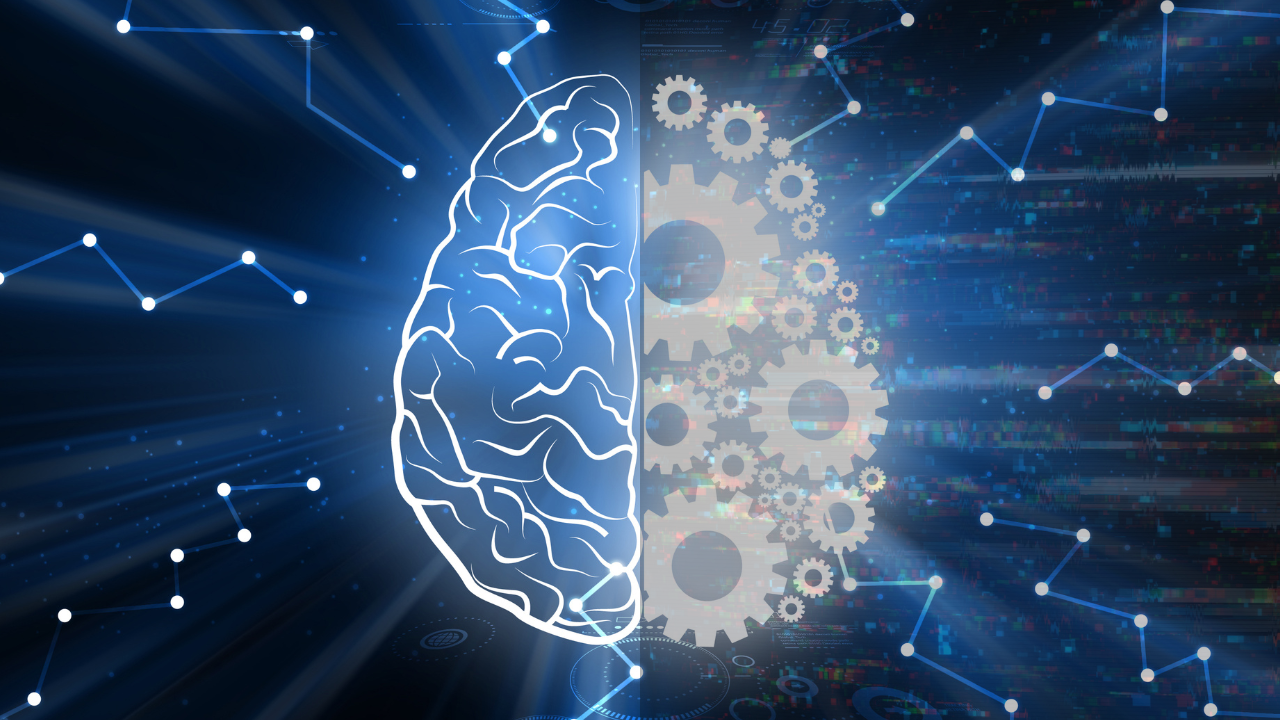
Composite AI introduces a fundamentally different approach. It does not rely on a single probabilistic model. Rather, composite AI combines deterministic intelligence with governed generative capabilities. With this in mind, kama introduced GenAI’s Sober Second Mind technology to fill this very gap. In the composite AI case, verified knowledge comes first. Generative flexibility comes second. Human oversight ties it all together.
In a Composite AI system, mission-critical questions are answered from a deterministic knowledge graph AI. These answers are pre-approved, traceable, and consistent. If an answer does not exist, the system can selectively invoke generative AI, but only using a trusted, internal collection of documents. The system remains transparent about which responses are generated and which are fully sanctioned. Also, the source of the sanctioned internal collection of documents, is a knowledge manager. This person individually selects the documents and data for a particular repository. At kama we call these repositories, Trusted Collections.
This layered approach replaces guesswork with intention. It allows enterprises to scale AI confidently without the worry of the system providing rogue answers based on unsanctioned internet-sourced material which is unverified.
Human Oversight Is Not a Bottleneck
One of the biggest misconceptions about responsible AI is that human involvement slows innovation. In reality, the opposite is true. Human-in-the-loop systems accelerate adoption because they reduce fear. Customers and employees come to realize that the sanctioned information was confirmed by subject matter experts and the knowledge management team, as a first step. Teams trust AI when they know there are safeguards in place.
Human oversight ensures high-risk answers are reviewed before being deployed. It lets subject-matter experts refine responses over time. It creates a continuous feedback loop that improves accuracy instead of degrading it. AI becomes a living knowledge system, not a static black box. This process truly combines the best of both human employees, and the AI Agent systems intended to help.
This is how enterprises move from pilot projects to production systems that actually deliver value. By growing trust in the answers, actions, and capabilities of the composite AI agent platform.
From Answers to Actions, Safely
The stakes rise even higher when AI moves from answering questions to executing actions. AI agents are now updating records, triggering workflows, and orchestrating multi-step processes across enterprise systems. At this stage, a wrong answer is no longer just misinformation. It becomes a costly mistake.
Responsible composite AI agents provide the foundation needed for this shift. Deterministic logic governs what must be correct. Generative intelligence supports what can be flexible. Automation executes only on what has been approved. Every action is logged. Every decision is traceable.
This is how AI becomes a trusted digital workforce instead of an unpredictable experiment.
Why It Matters Now
Enterprises are at a crossroads. AI adoption will not slow down, but tolerance for risk will. Organizations that continue to deploy unguided GenAI in high-impact environments will face growing resistance from executives, regulators, and customers. Those that lead with trust will move faster, not slower.
Responsible AI is not about limiting innovation. It is about making innovation sustainable. Accuracy protects the brand. Governance protects the business. Transparency protects and grows the trust.
The Path Forward
The future belongs to responsible composite AI agents that respect context, accountability, and human judgment. AI that gets it right will always outperform AI that merely sounds right. Enterprises that recognize this distinction will be the ones that see real returns from their investments.
At kama.ai, this philosophy is built into the platform from day one. Composite AI is not a compromise. It is the evolution enterprises actually need.
If your organization is ready to move beyond AI experiments and toward trustworthy, production-ready intelligence, it starts with one question. Can you trust what your AI says, and does – every single time?