
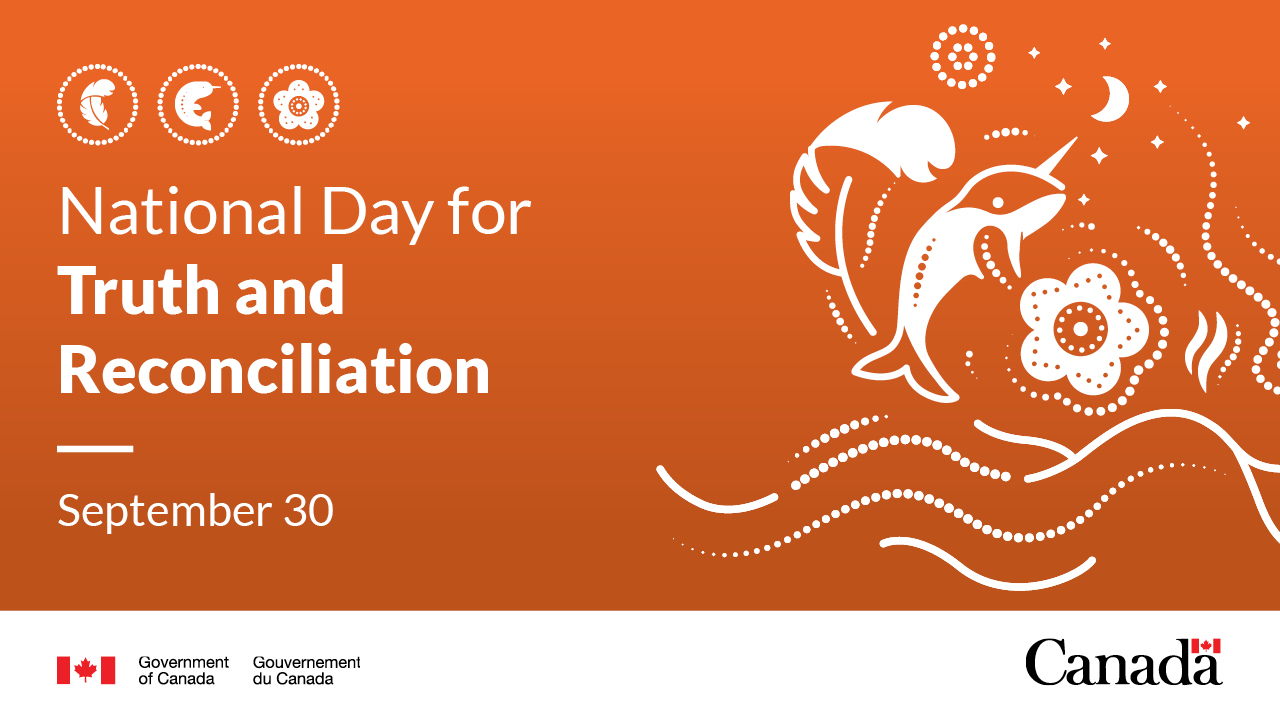
At this time of reflection on Truth and Reconciliation with Indigenous peoples in Canada, we at kama.ai are turning our focus towards Indigenous Voices in Artificial Intelligence (AI).
Artificial Intelligence is a new frontier for everyone, bringing both opportunity and risk to all of humanity. As a result of past colonial behaviour, Indigenous peoples around the world have been left out of critical societal conversations. Initiatives and reflective events like Canada’s National Day for Truth and Reconciliation provide us with the opportunity to consider not only the past but also what we can do today and tomorrow to be inclusive, respectful, and to choose to learn from Indigenous people.
As AI evolves, we are becoming increasingly aware that it is an extremely powerful technology with almost limitless possibilities. That includes potential solutions for climate change, curing diseases, engineering solutions, and so much more. However, on this journey we are also learning that this technology is not aligned with societal ethics, and human values. It is not yet aligned on making judgement calls that are contextualized and sensitive to different races, practices, and cultures.
At kama.ai, we are engaging with indigenous communities, educational institutions, the Assembly of First Nations, and Indigenous allies to discuss how AI can be deployed – safely and responsibly for the betterment of all. Not only are we concerned with how Indigenous knowledge, culture, stories and teachings can be respected and protected, but also how it can be shared in the spirit of Truth and Reconciliation.
At this time, we acknowledge the injustices conveyed upon Indigenous peoples. As such, we commit to supporting Indigenous voices in the new frontier of Artificial Intelligence. What we seek is to ensure this majestic and powerful capability is inclusive of all people while providing benefits to underserved and disadvantaged populations, as well.
Brian Ritchie
CEO & Founder, kama.ai
Member, Chapleau Cree First Nation